

How Spear Phishing Works
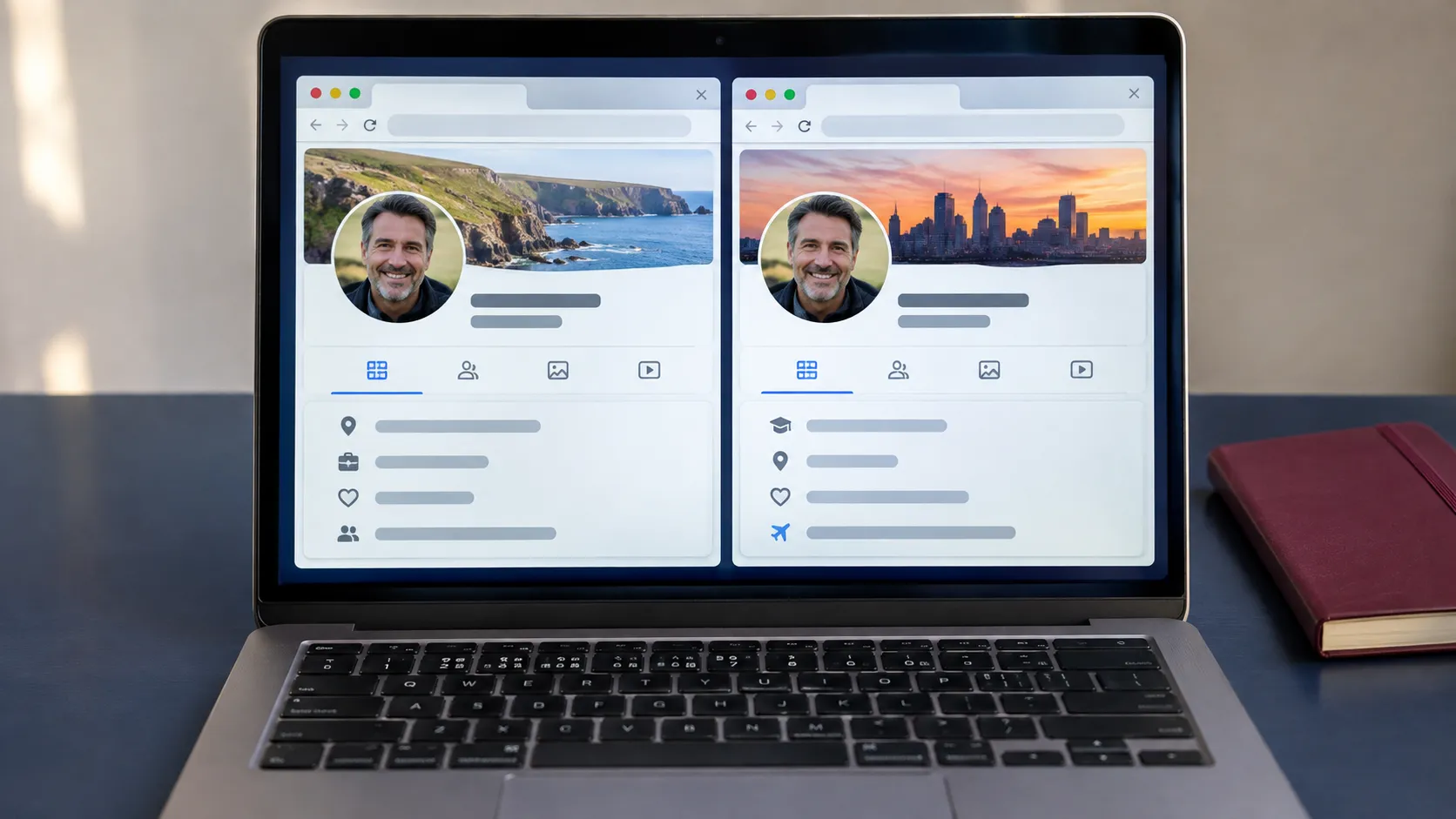
Spear phishing attacks typically start with detailed research on the target. The attacker gathers information from public sources (like social media or company websites) or through other breaches. Using this information, they craft a convincing email or message that appears to come from a trusted contact—such as a coworker, client, or even an executive.
The message might ask for:
- Confidential business information.
- Access to certain accounts.
- An immediate wire transfer.
The attacker’s goal is to build enough trust that the target will willingly share sensitive data or perform actions that compromise security.
Why Do People Fall for Spear Phishing?
Spear phishing works because it’s meticulously crafted to seem authentic and personal. Unlike traditional phishing, which might raise suspicions, spear phishing can feel like an everyday interaction. These attacks often take advantage of workplace dynamics, such as the urgency of a message from a higher-up or familiarity with clients, making them harder to spot.
Spear phishing attackers also use timing strategically, launching attacks during times of stress or busy periods to increase the chance of slipping through unnoticed.
The Mindset Behind Spear Phishing
Spear phishing is all about manipulating trust. Attackers carefully study their target, looking for clues about relationships, habits, and specific organisational details. By imitating the communication style of colleagues or clients, they aim to gain credibility and make the interaction feel genuine.
It’s a social engineering attack that leverages personalised details to bypass traditional security measures, focusing on fooling individuals rather than breaching technical systems directly.