

How Romance Scams Work
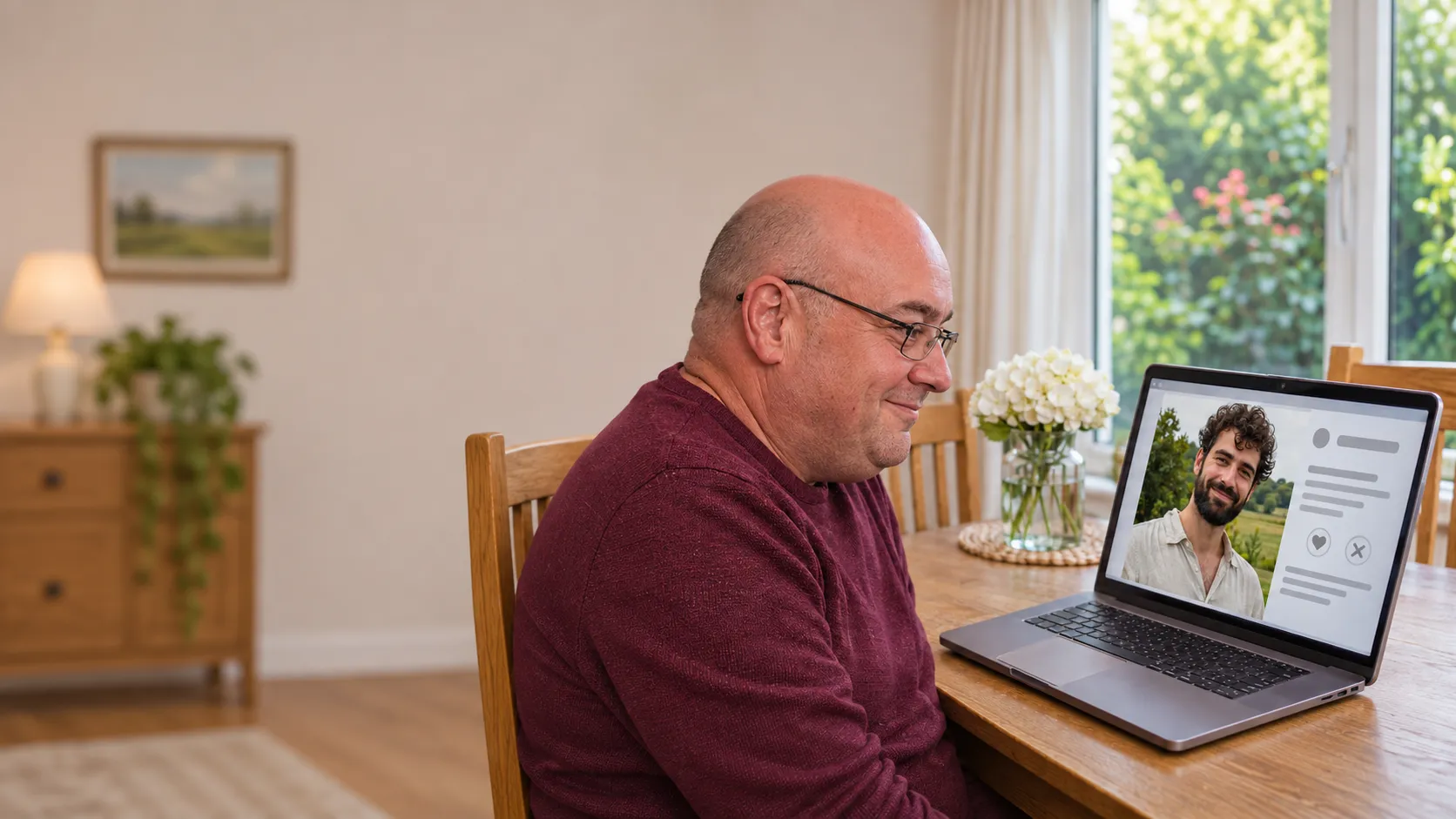
Romance scammers usually start by creating fake profiles with stolen photos and fabricated details. They seek out individuals on dating platforms or social media who may be open to a new relationship. After initiating contact, the scammer quickly moves the conversation to private messaging or video calls to build an exclusive connection with the victim.
As the relationship progresses, the scammer may share emotional stories or express urgent needs, often requesting:
- Money for an “emergency” or “health crisis.”
- Funds to visit the victim in person (which never happens).
- Financial help to “secure an inheritance” or release “frozen funds.”
- Gift cards or cryptocurrency for “safe and discreet transactions.”
These tactics are designed to exploit the victim’s emotions, making them feel responsible for helping someone they believe they know and care about.
Why Do People Fall for Romance Scams?
Romance scams are effective because they exploit the natural desire for companionship, love, and connection. Scammers are patient and skilled at creating emotional bonds that feel genuine, making victims feel loved and appreciated. They use emotional triggers like urgency, sympathy, or affection to build a sense of intimacy, often convincing victims that they’re in a committed relationship. Many people believe they are helping a loved one, which makes it hard to see the deception.
Scammers target those seeking meaningful relationships, taking advantage of trust and emotional vulnerability.
The Mindset Behind Romance Scams
Romance scammers aim to manipulate emotions, building trust to create dependency and affection. They carefully observe and adapt to the victim’s responses, gradually convincing them of their sincerity. By imitating intimacy, scammers draw their victims into a one-sided relationship where the victim is willing to provide financial or personal support. It’s less about technology and more about emotional exploitation, with scammers weaving stories that play on hope, sympathy, and love.
The scam is ultimately about control—using the victim’s own emotions as leverage to achieve the scammer’s financial goals.
Common Romance Scam Warning Signs
- A new contact quickly creates a strong emotional bond.
- They push to move conversations away from the dating platform.
- Their profile or personal story is difficult to verify.
- They repeatedly find reasons they cannot meet in person.
- An urgent problem leads to requests for money, gift cards or cryptocurrency.
- They want you to keep the relationship or payments secret.
Common Romance Scam Examples
Illustrative scenarios based on common tactics — these are not accounts of real people.
The emergency appeal
An online partner claims a relative needs urgent treatment and asks you to send money before you have time to check the story.
The visit that never happens
Someone promises to visit, but repeatedly needs more money for travel or other problems. The promised meeting keeps being postponed.
The gift card request
A person you know only online asks you to buy gift cards or send cryptocurrency, saying it is the easiest way to help them.