

How QR Code Scams Work
In QR code scams, fraudsters create malicious codes that look similar to legitimate ones. Here’s how they typically operate:
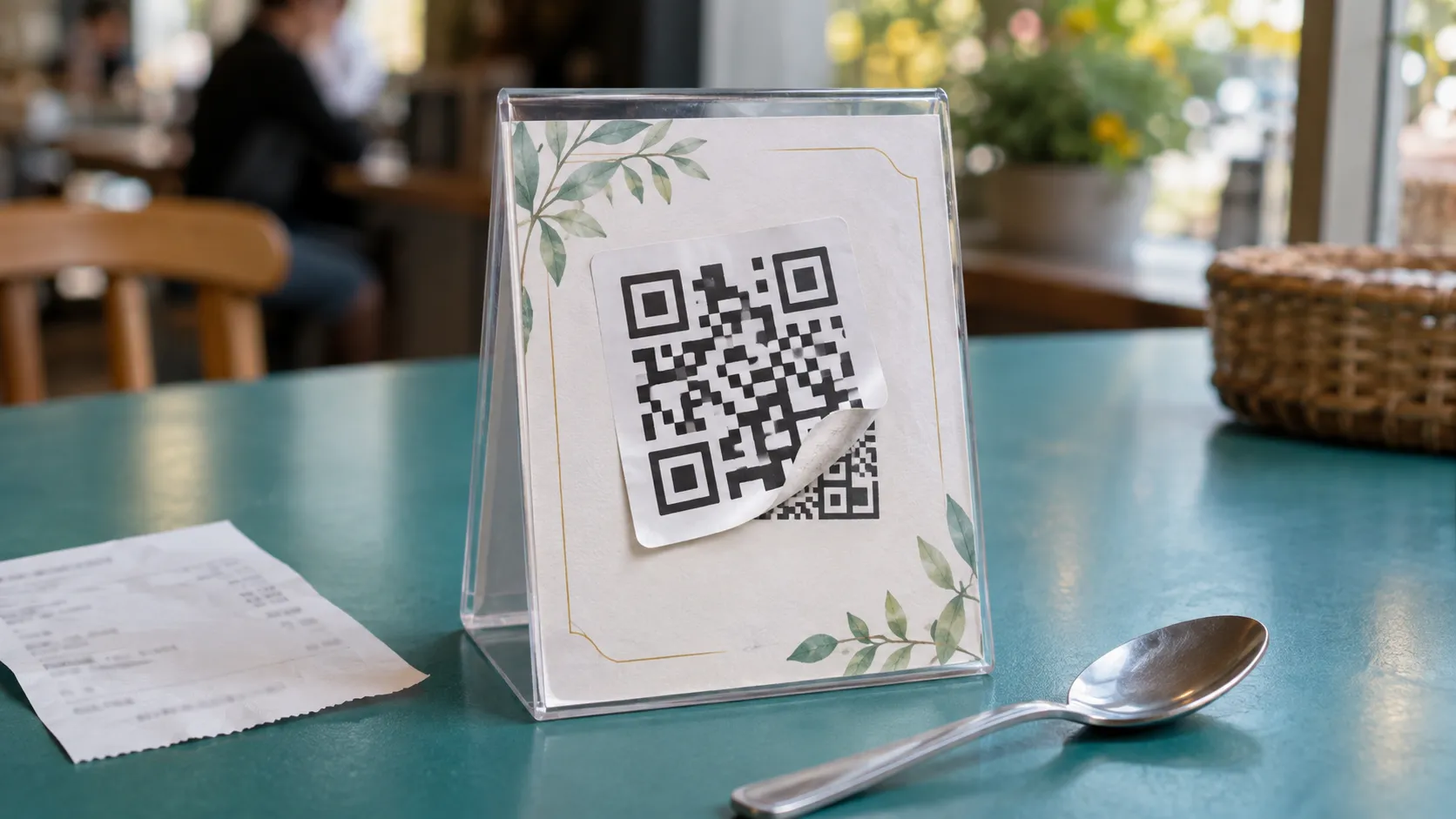
- Fake Payment QR Codes: Scammers place a fake payment QR code where users expect the business’s code, tricking them into sending money to the scammer.
- Phishing and Data Harvesting: The QR code leads to a phishing website, asking for sensitive information like bank details or login credentials.
- Malware Downloads: When scanned, the code initiates a download, installing malware or spyware on the device.
- Fake Support Codes: Scammers display QR codes as “customer service” links, directing users to fraudulent websites or fake support channels.
- Event Ticket or Coupon Scams: Scammers use fake QR codes on event tickets or coupons, either collecting personal information or charging fraudulent fees.
By disguising these codes in places people expect, like restaurant tables or public posters, scammers capitalise on people’s trust and familiarity with QR codes.
Why Do People Fall for QR Code Scams?
QR codes are convenient, and people often scan them without thinking twice, especially if they’re in trusted locations like a familiar restaurant or an official-looking event poster. QR code scams work because people tend to trust the locations where they’re placed and may overlook the potential risks. The simplicity of scanning a QR code makes it easy for scammers to set up these traps where people expect them to be legitimate.
The Mindset Behind QR Code Scams
QR code scams are effective because they exploit trust in digital transactions and the growing familiarity with QR technology. Scammers use social engineering and the anonymity of QR codes to their advantage, creating a simple but convincing illusion of legitimacy. By placing fake codes in highly frequented or trusted areas, they bypass suspicion, counting on people’s tendency to act quickly without verifying the source of the QR code.